By Felix Diesman
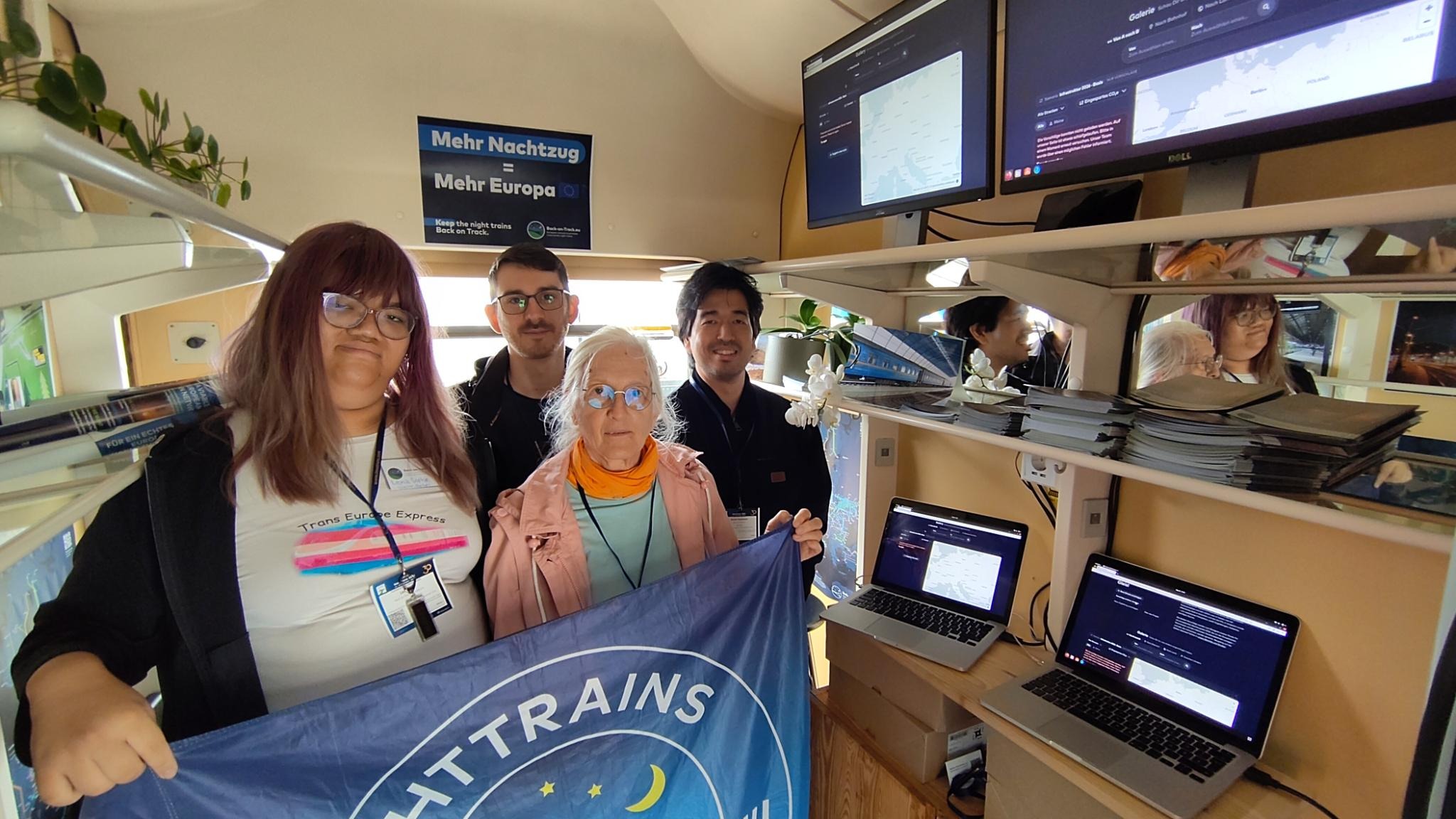
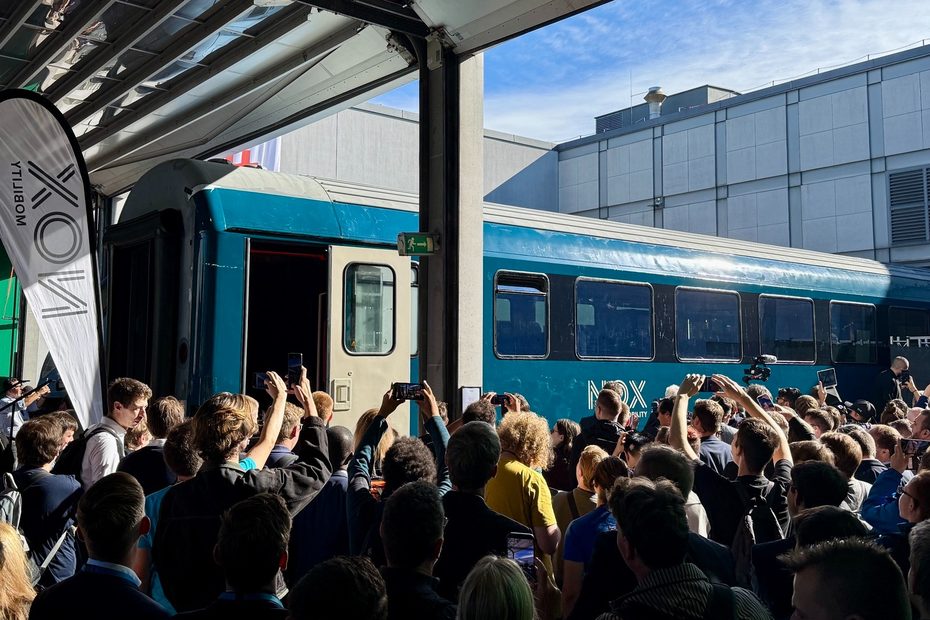
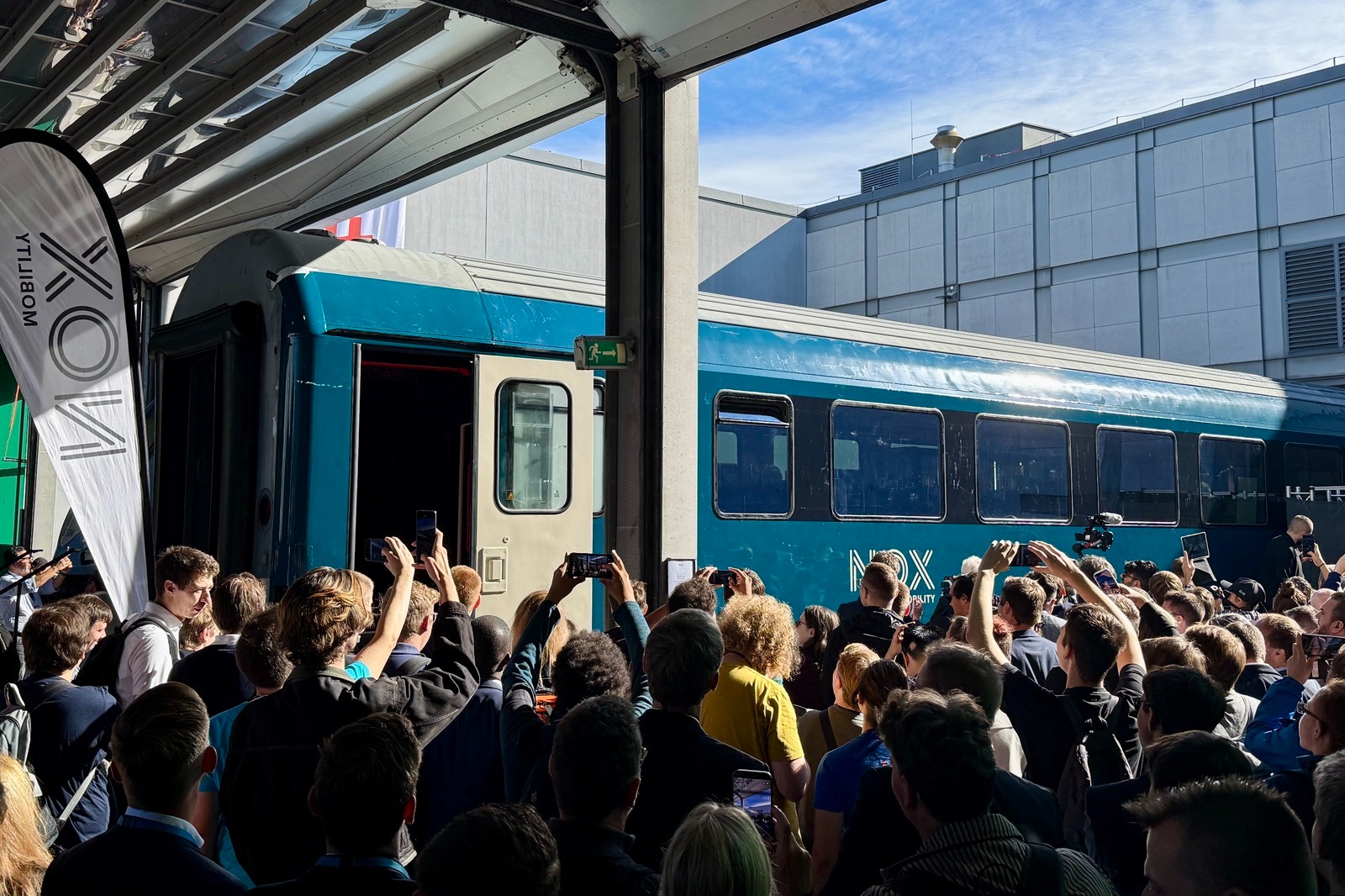
This year’s InnoTrans stood under the sign of the Night Train. With two startups, LunaRail and Nox Mobility, presenting their innovative concepts and mock-ups of the ALISA concept by a group of, besides others, the German Centre for Aerospace Engineering, the German Federal Ministry for Economic Affairs and Energy, satec and Tricon AG, Night Trains received significantly more attention than in the previous iterations of the world’s biggest railway-related trade fair. Especially Nox claimed its place in the spotlight with the spectacular reveal of their concept carriage on the second day of InnoTrans, enjoying large media coverage, also from outside the railway focused media landscape. Another first: Back-on-Track had its debut on InnoTrans this year with a booth inside the LunaRail carriage. We have met many Night Train Fans, welcomed new members, and networked with people from the industry.
But first things first: What is InnoTrans, and why does it have such relevance?
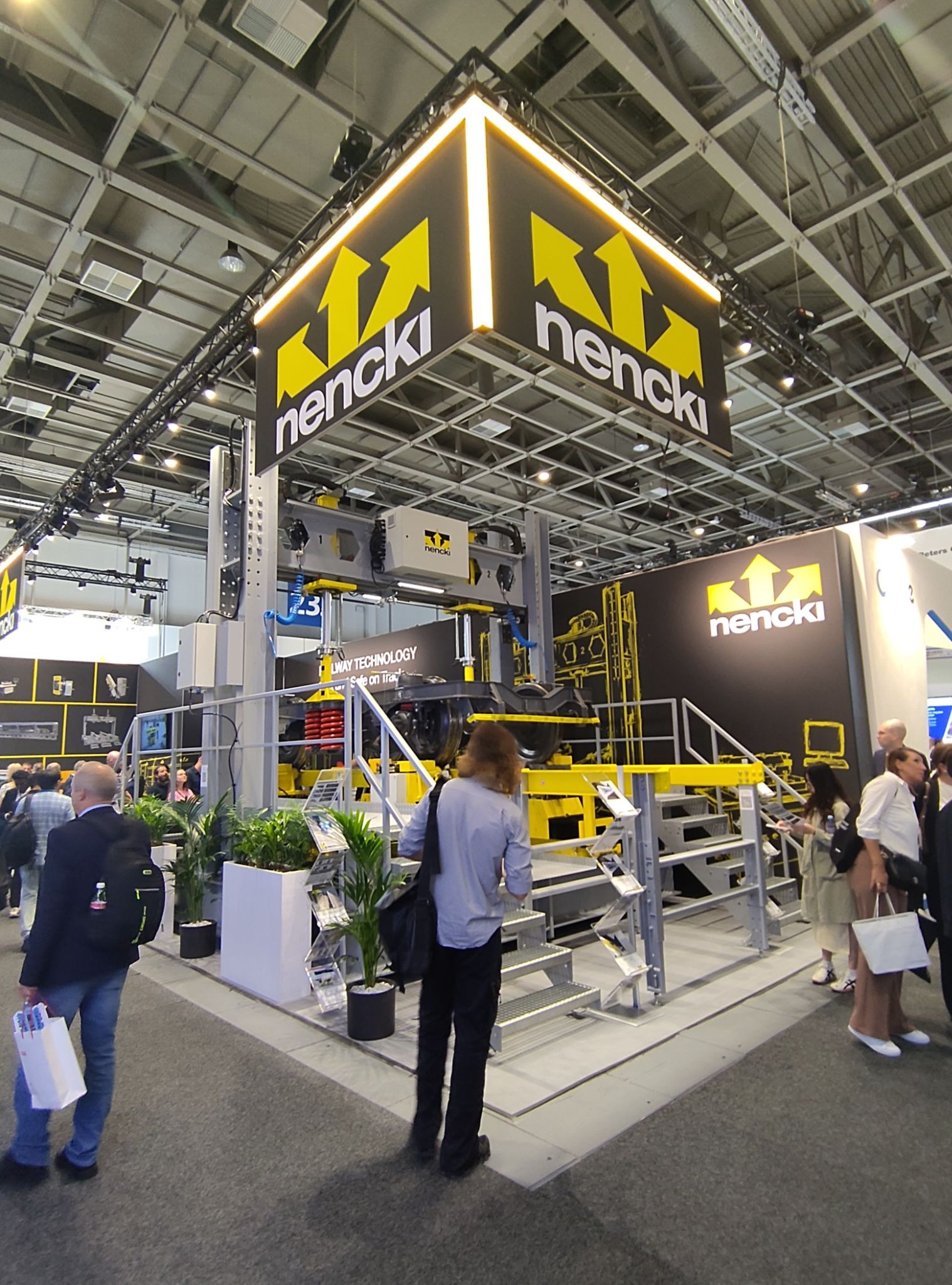
InnoTrans is a biennial—that is happening every two years—trade fair on the grounds of Messe Berlin exhibition centre. First moving to Berlin in 1996, InnoTrans has established itself as the leading rail transport-related trade fair in the world. This year, over 3190 exhibitors from 59 countries were visited by over 175 thousand visitors from all over the world. Next to indoor fair booths, Messe Berlin has space to display railway-related construction equipment, Busses, trams, and railcars, with many new carriages, locomotives and EMU’s being displayed before being phased into active service, such like the Sapsan EMU in 2008, ICE3neo and Vectron Dual Mode in 2024 or Stadler’s Flirt Nordic, FlixTrain’s Talgo Class 230 and many more. InnoTrans is first and foremost a place of doing business and networking, but the large number of rolling stock and other exhibits have attracted a large following from the wider rail community. Also, many companies and operators take the opportunity to make announcements and discuss relevant topics, which leads to quite a large media presence. InnoTrans is a great place to get noticed.
Space efficiency or increased comfort?
As previously mentioned, this year’s InnoTrans saw a number of early Night Train concepts presented to the wider public. As presenting each in detail warrants its own discussion, I will not do that here. However, as the different companies have different ideas on what night travel should look like, comparing the different design philosophies is especially interesting and gives greater insight into the directions the wider rail industry will take. There are two distinct but not incompatible concepts at play: offering cheap(er) service and transporting as many people as possible on the one hand, and offering a more ‘luxurious’ experience catered towards a growing number of people travelling for work. These two concepts can be quite clearly noticed on a number of rolling stock concepts which have—or will come into service in the coming years. Operators like FlixTrain with their Talgo class 230, Trenitalia with their Alstom IC 200 or LunaRail’s Night Train concept try to maximise space use and therefore space efficiency, which can allow operators to offer lower prices as transporting more people in the same space drives down costs per passenger. In comparison to the other concepts, LunaRail aims to find a balance between space efficiency and privacy by having space-efficient one- and two-person sleeping pods, which could allow up to 65 people per carriage. For context, four berth couchette carriages have around 40 beds with significantly less privacy. FlixTrain and Trenitalia try to achieve the same effect by maximising space by increasing the number of seats per carriage.
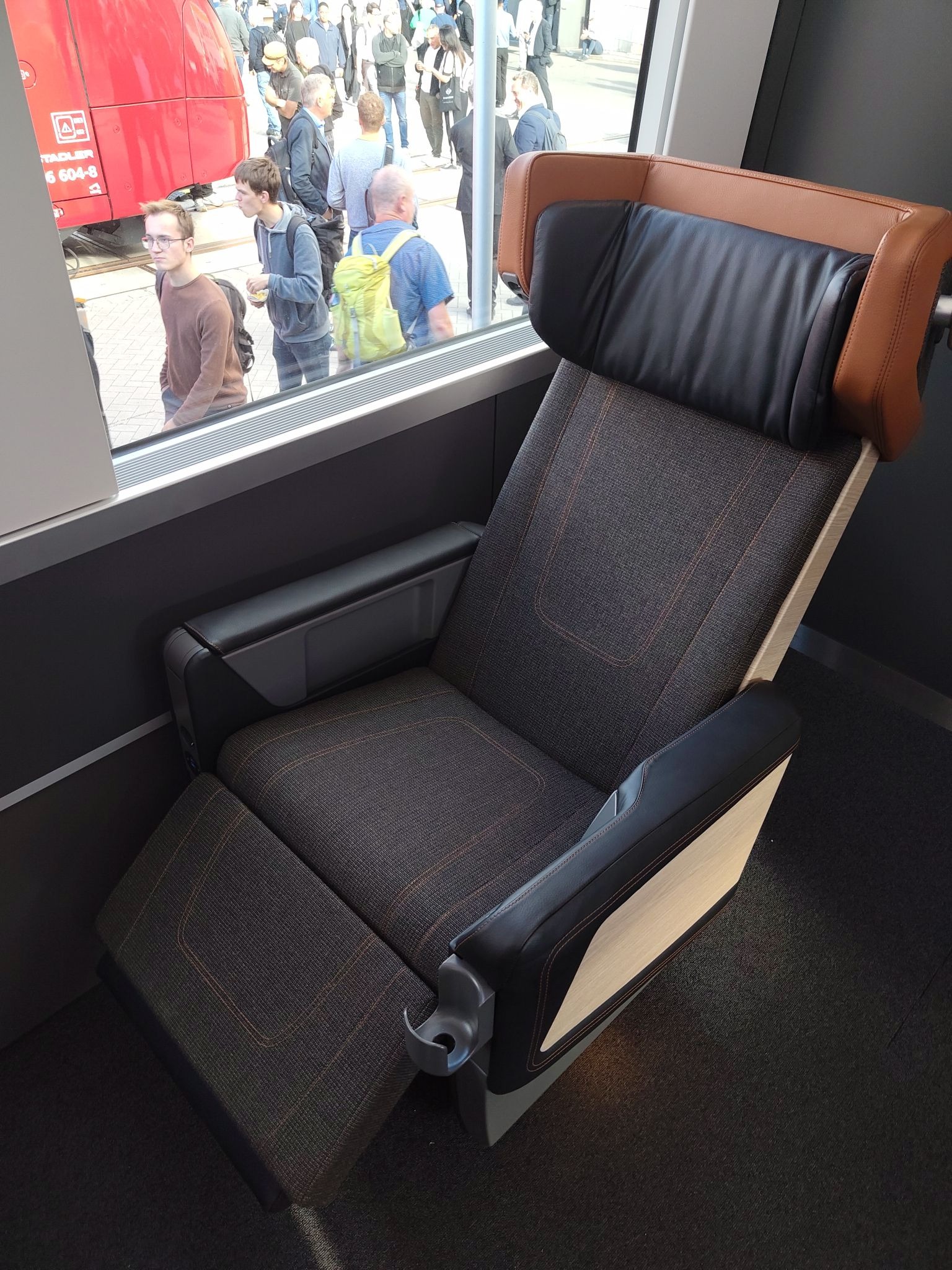
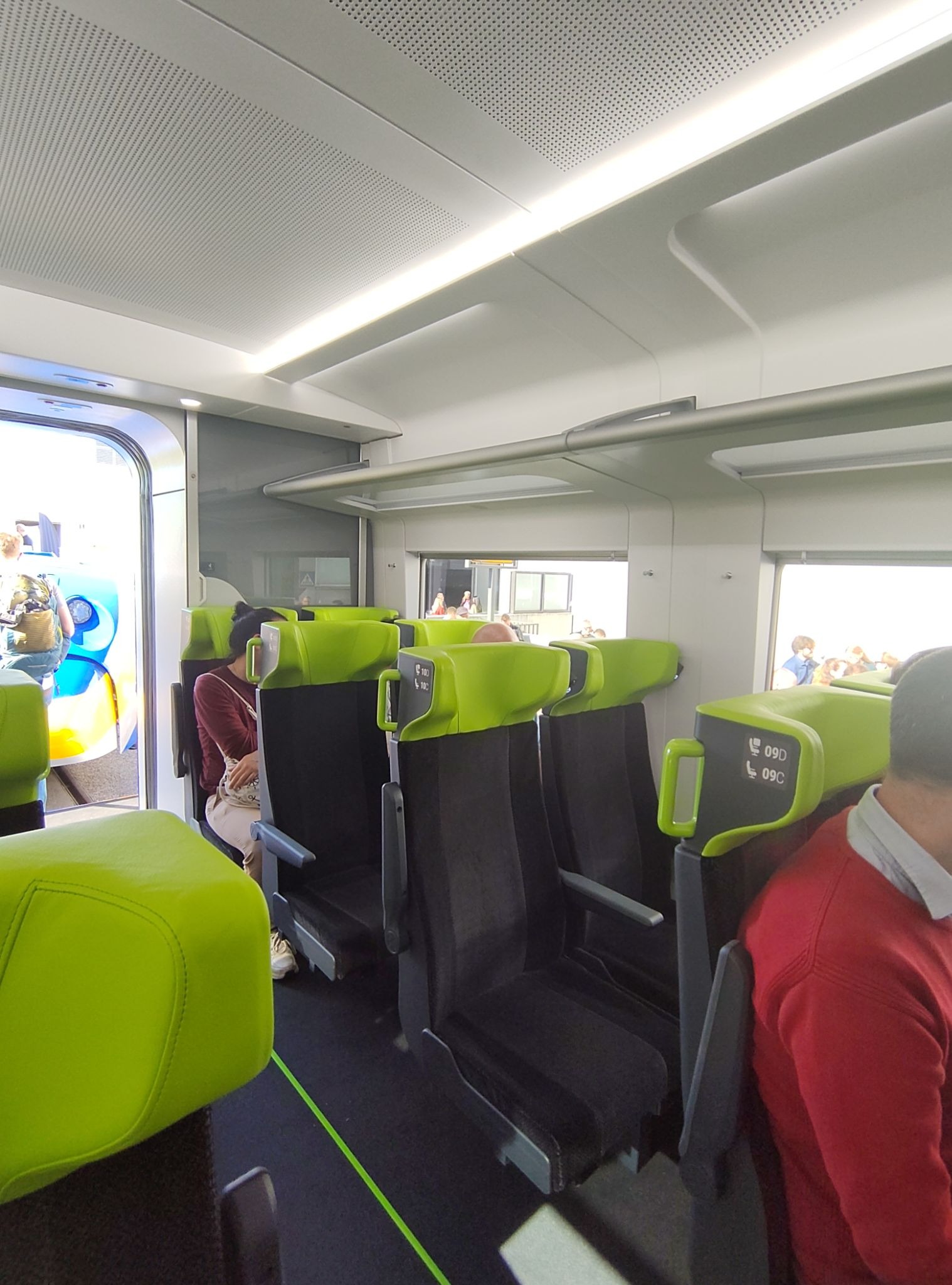
On the other hand, operators like DB, Norske tog, or Nox mobility try to take advantage of more people traveling for work whilst companies try to reduce emissions, which leads to an increase in business travel. The Stadler build Flirt Nordic or the Hitachi build ETR1000 not only have space for the comfortable “business” class—the Flirt Nordic even has a little meeting room for (video) calls—but also improve the general level of comfort and amenities. Whilst this makes the individual ticket more expensive, it makes the service more attractive for people who are willing to pay more for increased comfort. I was able to talk to one of the people from Norske tog involved with creating the Flirt Nordic, who confirmed that the key idea behind designing the carriage layout is to make it attractive for individuals who usually fly on routes such as Oslo to Bergen.
Overall, operators try to make their service more attractive. Over the last few years, passenger comfort has increased as services such as open Wifi, power sockets and vending machines have become almost standard, even in trains designed for regional travel. It will be interesting to see which design philosophy will prevail.
Artificial Intelligence
Next to the presentation of new rolling stock, the topic of Artificial Intelligence (AI) was a big part of InnoTrans 2026. Especially discussed was the question of whether and how AI could streamline processes and make more use of existing infrastructure without the need for large investment. Especially in the domain of passenger information systems and analysing large datasets, AI is presented as a helpful tool during talks at the Public Transport Forum and International Tunnel Forum. AI is already in use with many members of the rail industry and rail operators to do forecasts in PIS, increase efficiency in data analytics, and diagnose faults more quickly. If you ask the rail industry, AI is here to stay.
Remote Controlled Train Operation with ETCS level 2 (ATO over ETCS)
The Dutch company OTIV presented the possibilities of Automatic / Remote Train Operation (ATO or RTO) with level 2 ETCS equipment, as a Train in the Dutch area of Kijfhoek was controlled remotely via an RTO Terminal at InnoTrans, more than 600 kilometers away. Next to known challenges that come with ATO/RTO over ETCS, further difficulties such like the lack of haptic feedback from carriages or train load were also addressed. ATO with ETCS level 2 could greatly increase route efficiency by allowing more trains to travel safely on the same track then other Train Control Systems such as PZB, ATB or PTC. One of the first Routes to be fitted with ETCS level 2, which works without signals or similar track side equipment, is the Rhine-Alpine corridor between Genoa and Rotterdam, one of the most important freight corridors in Europe.
The Rise of the Battery Train
For unelectrified routes, battery-powered EMUs (or BEMU’s) will slowly replace DMU’s all over Europe. As lithium-ion technology has improved, battery-powered trains can now travel over 250 kilometers without the need to recharge. Manufacturer CAF and German Transport Authority VRR unveiled the Civity BEMU which will replace diesel units in the Ruhr area and wider Germany in the coming years. Also, Škoda presented its BEMU RegioPanter for Czech operator ČD with an 80 km range. Currently, ČD operates four units with 15 more coming into service until the following year. Vivi, ZSSK and RegioJet also ordered some units which are expected to come into service until 2030. BEMU’s are already in service in several countries in Europe and will continue to become more attractive for less frequented routes where electrification is not economically viable.
Return of the Night Train and Back-on-Track at InnoTrans
It is very fair to describe the reveal of Nox’s coach as generating ‘hype’. Not only was the event on the second day of InnoTrans visited by a very large crowd, but the event was also covered by an impressively wide range of media. We have covered Nox’s concept in great detail already, so visit this article by Patrick Neumann for more information. The ALISA concept also received much attention. Their concept goes far beyond the standard conception of Night Train cars by introducing a number of different spatial concepts such as “Apartments”, Cabins for up to 6 people, ‘Butterfly Seating’, which is a more airplane-style combined seating and sleeping berth combination not dissimilar to Nox’s concept for next year’s Munich to Berlin route, and spacious shower rooms and entrance areas. ALISA proposes purpose-built, double-decker carriages. At InnoTrans, they showed a mock-up of the VIP Apartment and a 1:10 Scale Model of three carriages. The rooms are very spacious and feel more like a hotel room than a Night Train coach. So far, the development has not progressed beyond digital designs and the mock-ups, however the progress is really promising.
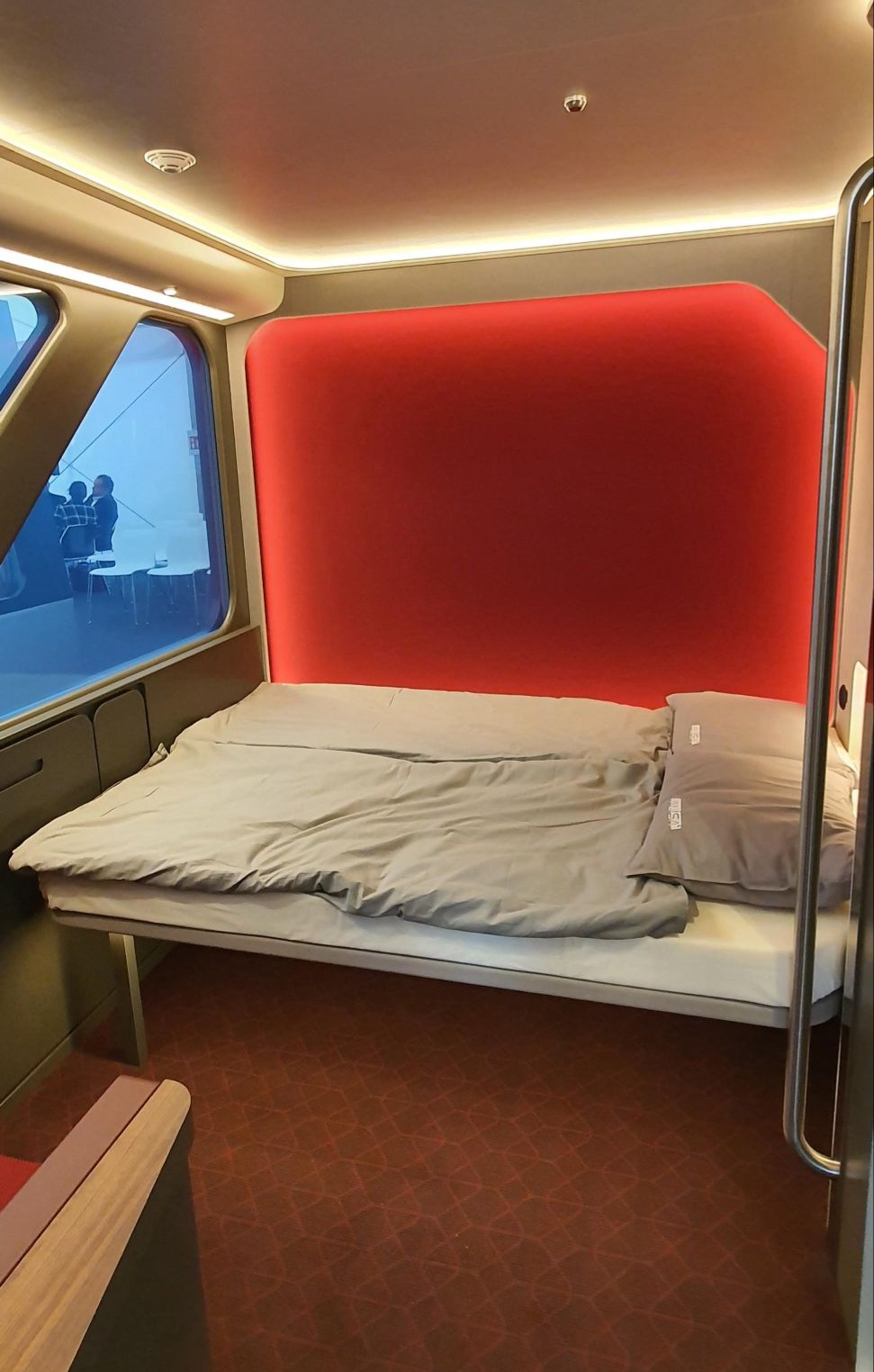
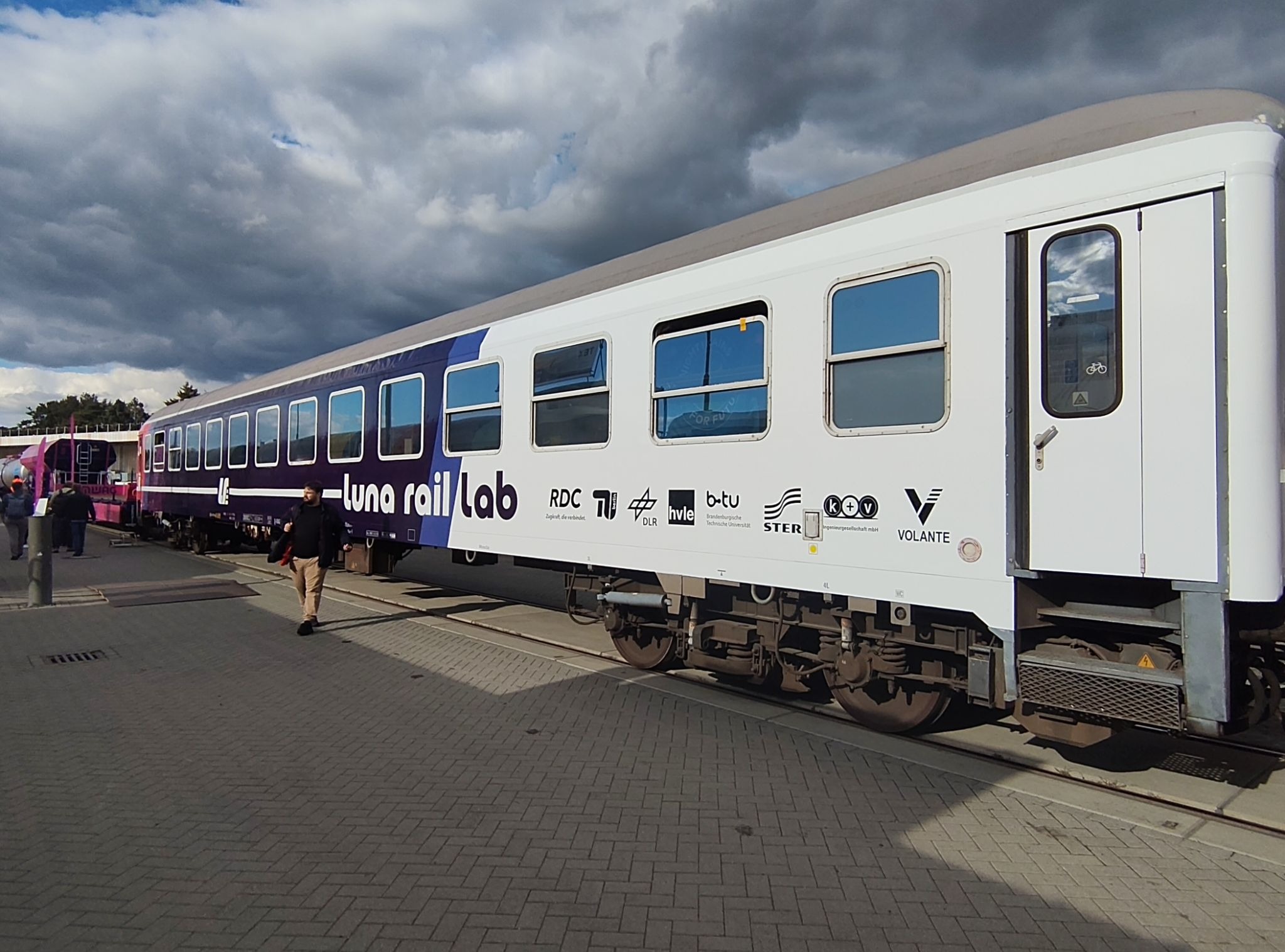
Finally, LunaRail had its debut at InnoTrans with the LunaRailLab, presenting their sleepingpod concept to the industry. Although LunaRail did not have as much time as planned to build their mock-up, there was much interest, and the idea is very clearly presented. Trying to be as space-efficient as possible, the idea is to stack them in two rows to use the full height of the carriage. The beds in the pods can be changed into a seating position. Next to the ‘seat pod’, LunaRail proposes a ‘hotel pod’ as a private cabin with a reclining sofa, in single, double, and triple versions available. LunaRail plans that their concept will be able to hold 35 passengers per car, which would make it more space-efficient than other designs currently in use. LunaRail plans to reuse existing train cars. Although the pods are not that large, I could comfortably fit in them, being around 1,86m high.
I—and many others—are really excited about those fresh and innovative ideas. Nox announced that they would start a limited service with their airplane-style seating-pod configuration on the Munich-Berlin route early next year, which will be a novel experience and hopefully lead to increased innovation and modern approaches with more Night Trains in Europe.
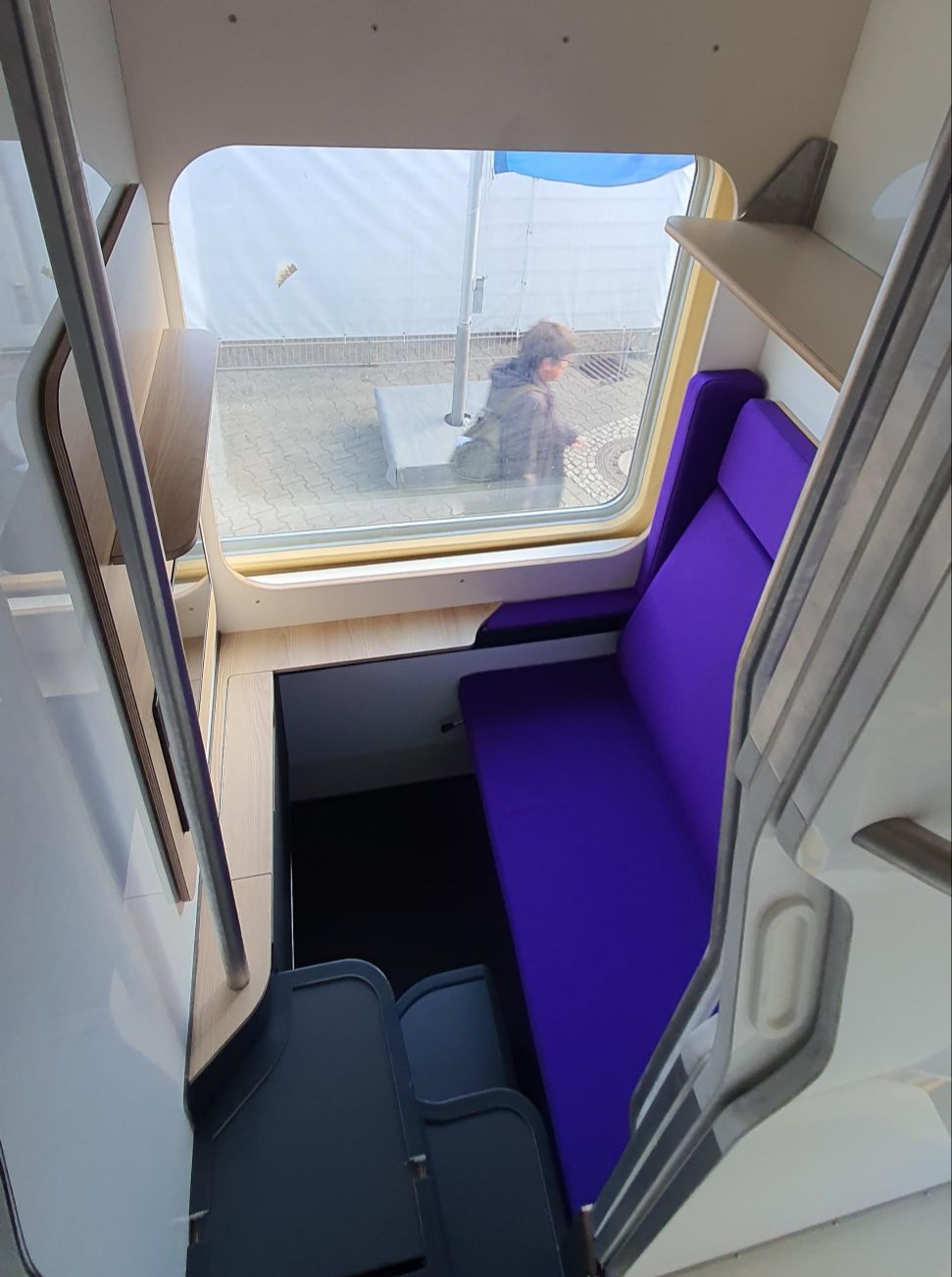
During InnoTrans, Back-on-Track had a nimble booth inside one compartment of the LunaRailLab carriage. We presented the new Night Train Modeling tool, talked to members of the industry and managers from European Sleeper and ÖBB, welcomed new members, and shared stories and experiences of our Night Train adventures. We are glad to see so many people interested in Night Trains.
Thanks to everyone who visited us! We hope to return to InnoTrans in 2028.