
On 20th April 2026 Swedish Transport Administration (Trafikverket) and the Spanish train manufacturer signed a contract for the supply and maintenance of a new fleet of night trains, to replace the ageing rolling stock due to which some night train lines were recently shortened and suspended.
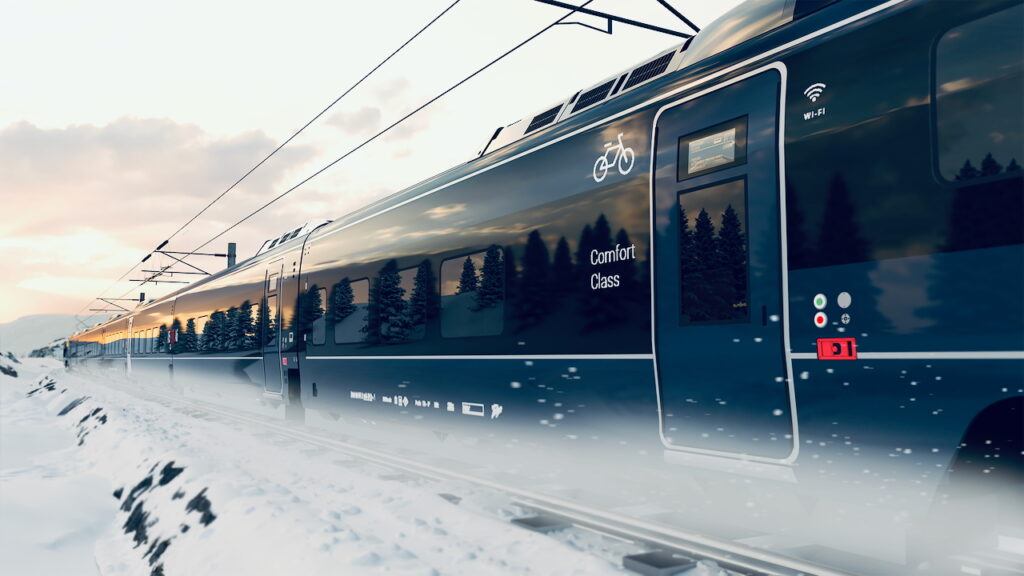
Besides 11 night compositions the contract includes 10 locomotives and 9 daytime compositions and their maintenance for 10 years. The total contract value is 756 M €.
The new trains are announced to be operated on services in Sweden and Norwas with a maximum speed of 200 km/h. As they are based on the Talgo 230 platform platform which is also used in Germany (ICE-L) and Denmark (EuroCity), it may be assumed that these carriages could – unlike their predecessors – also serve connections to Central Europe, possible even at speeds up to 230 km/h, the maximum for which this platform was designed.
As Talgo previously provided night trains to Russia, the company claims to have considerable experience in the design and operation of night trains for temperatures down to -40°C.
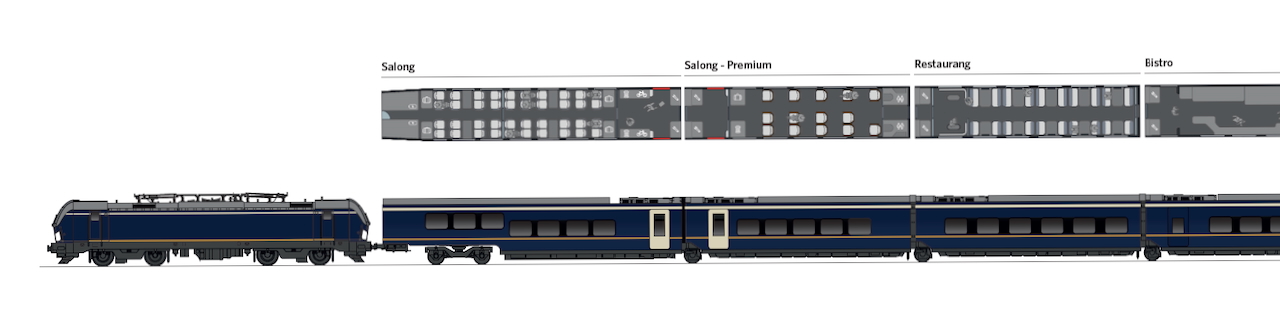
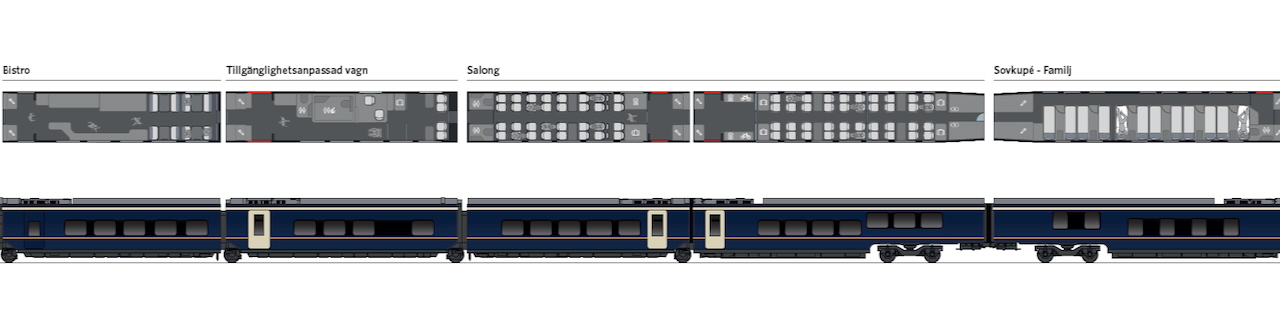
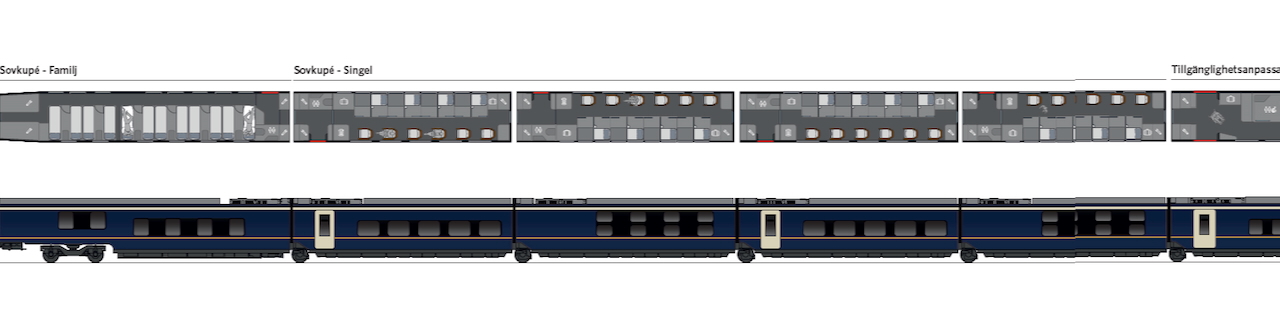
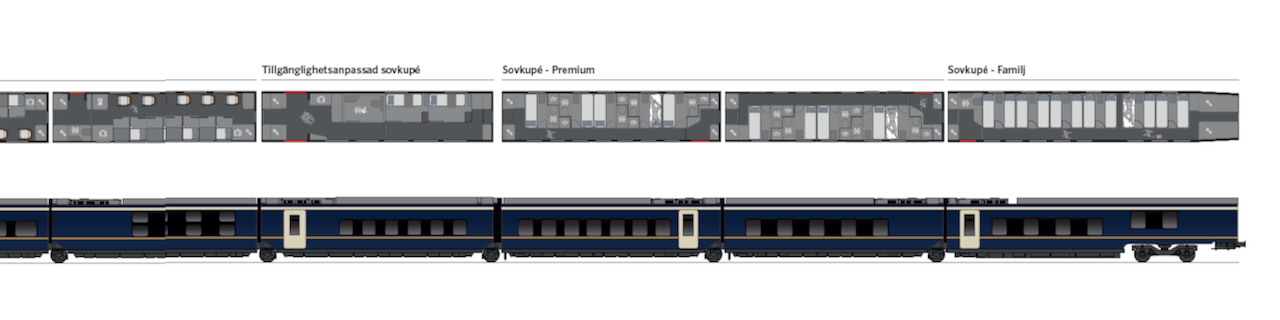
Capacity
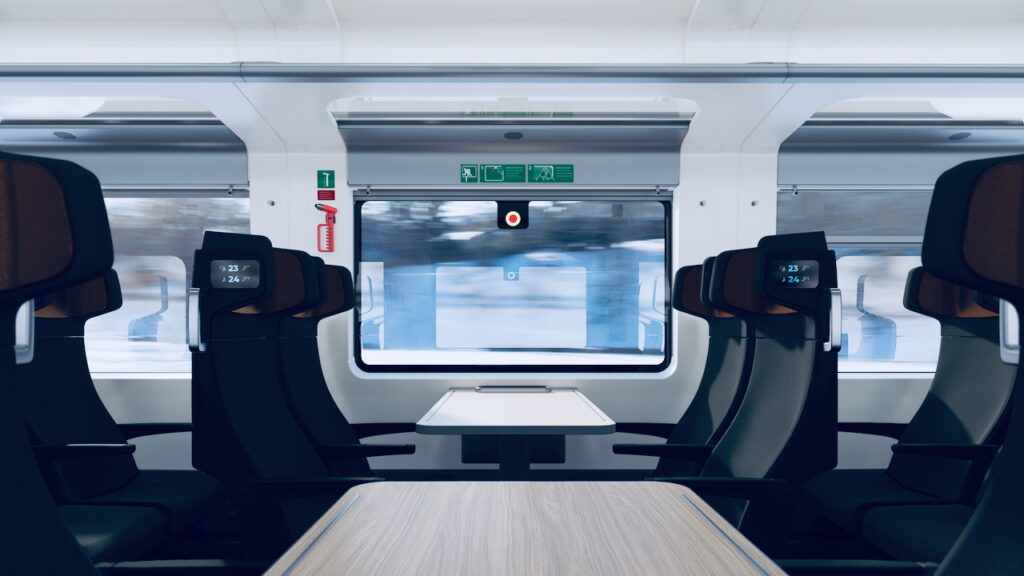
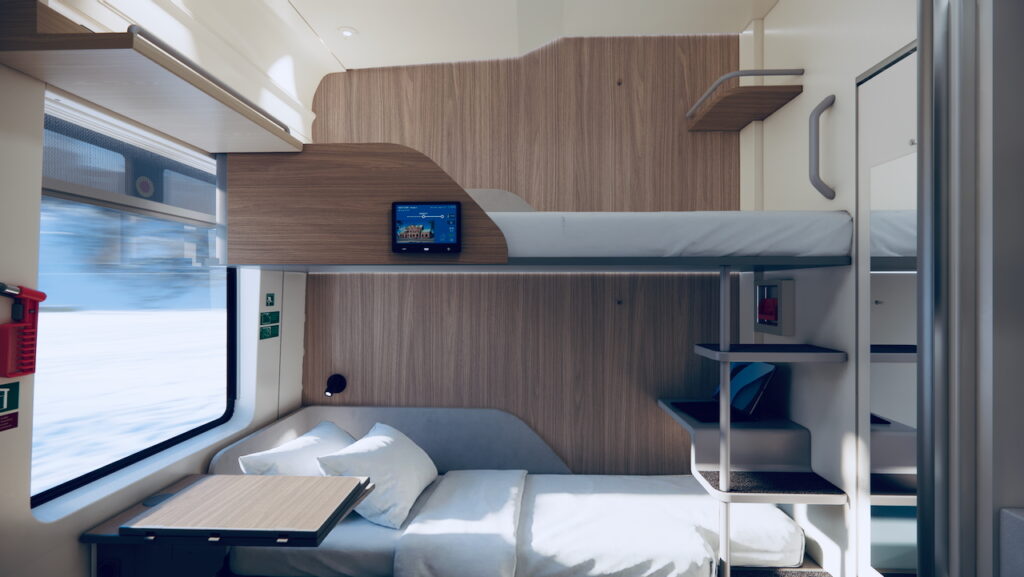
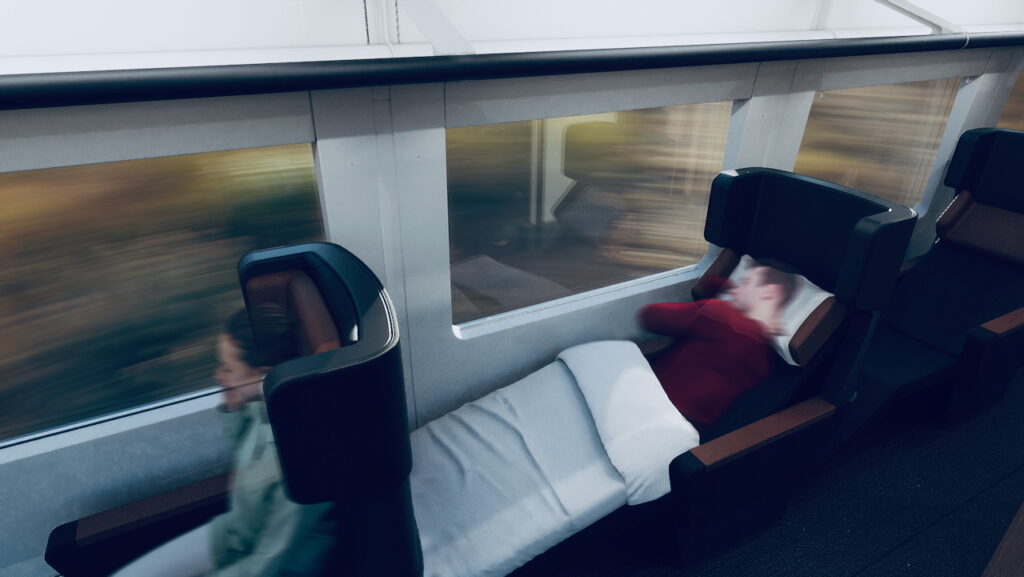
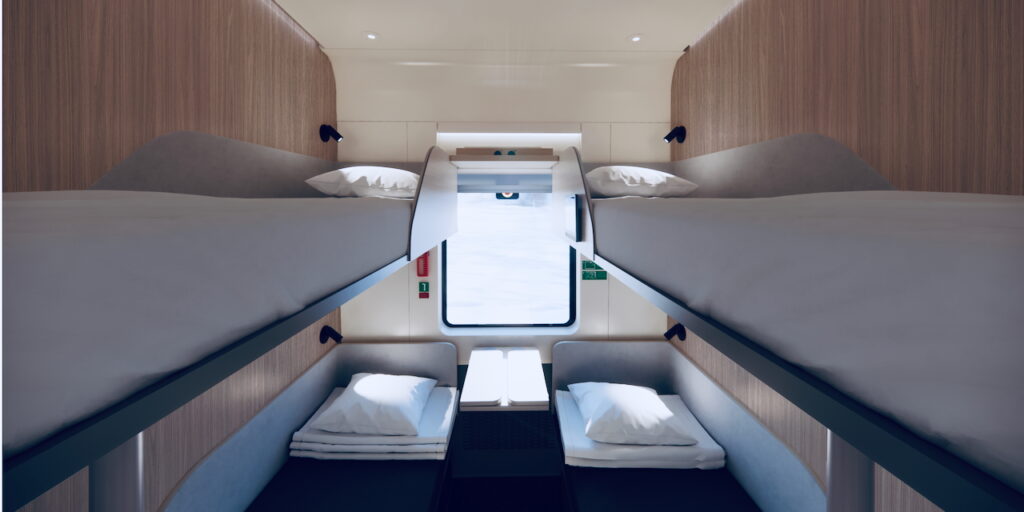
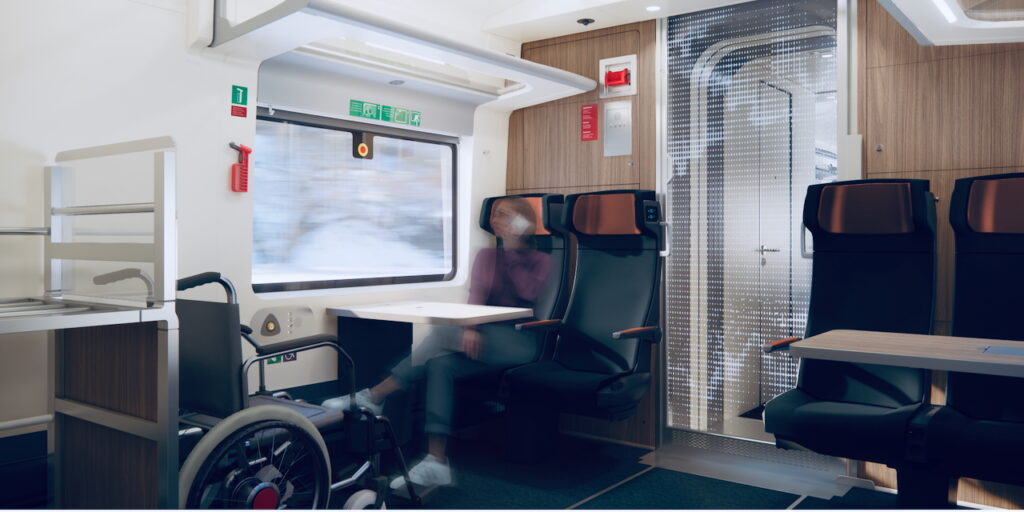
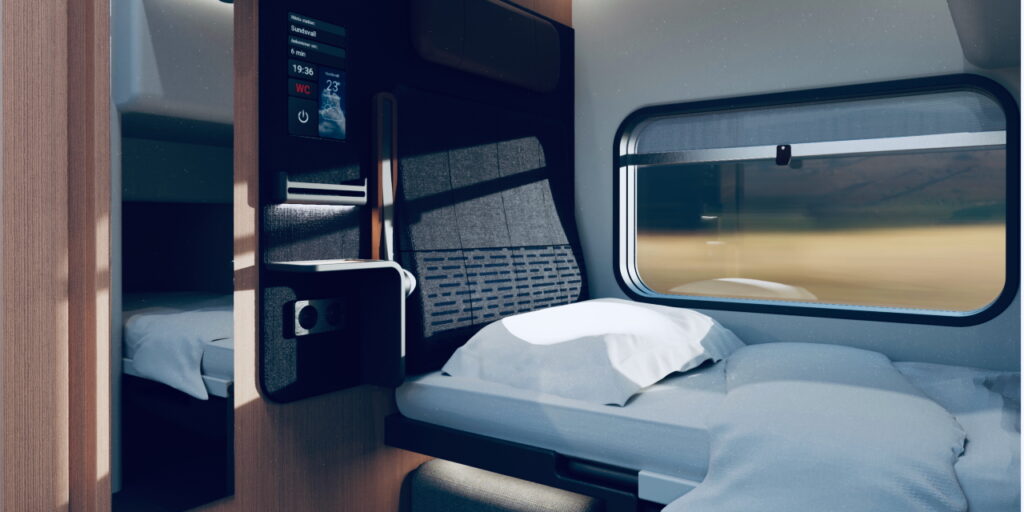
The 9-coach night train segment features 21 reclining seats, 12 4-bed couchettes (familj-sovkupé), 10 2-bed Sleeper compartments with WC and Shower and two PRM-Sleeper compartments.
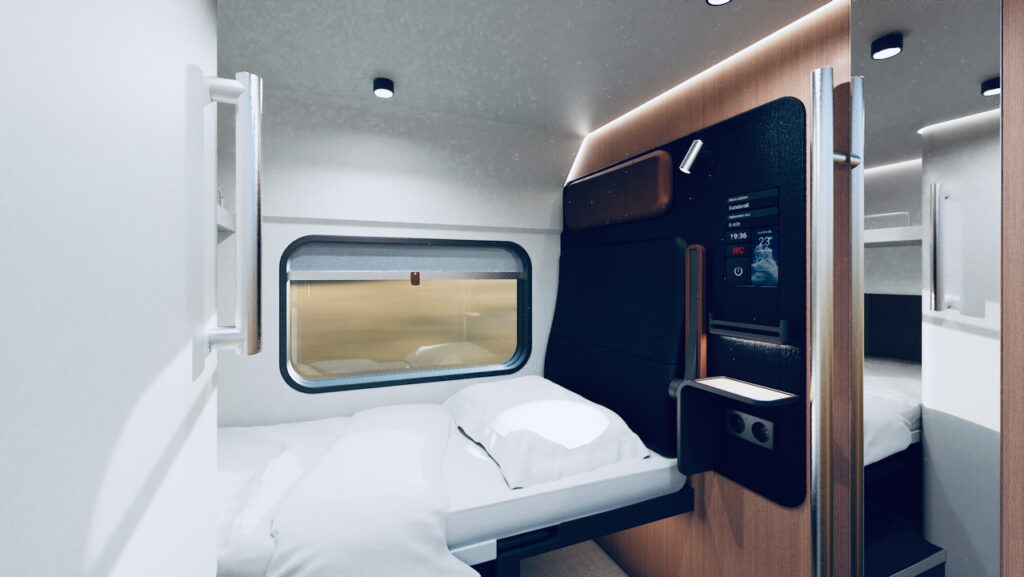
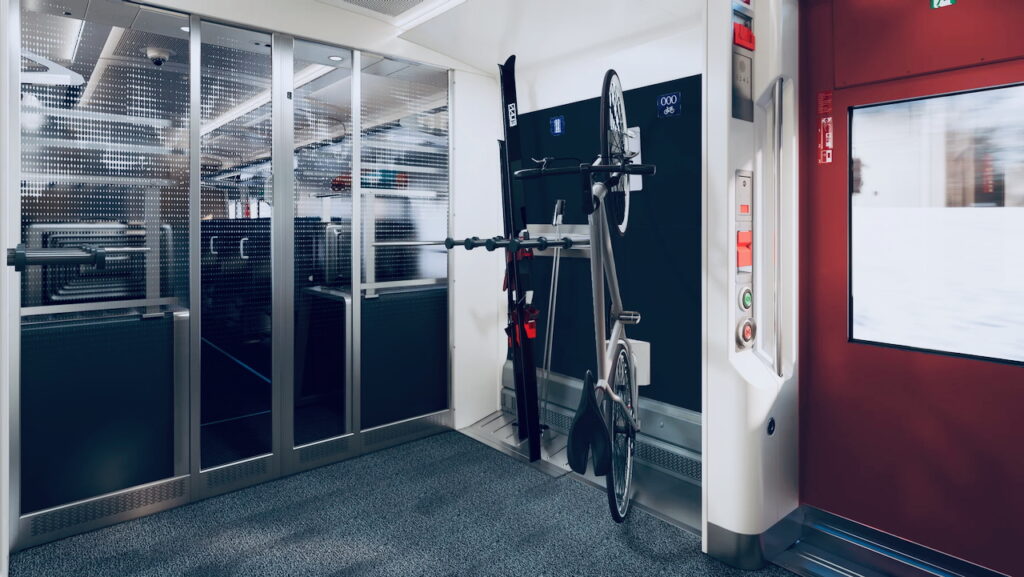
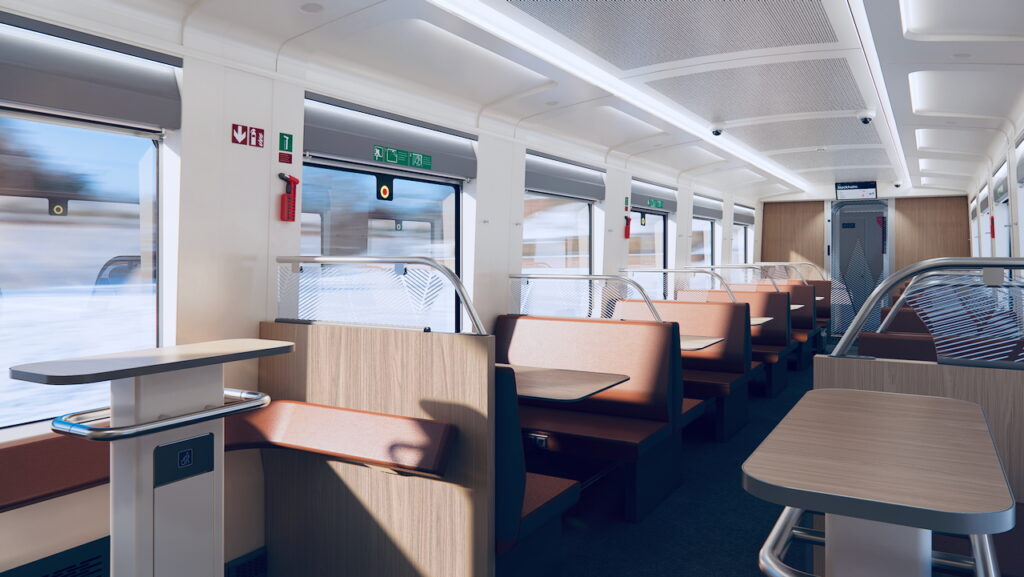
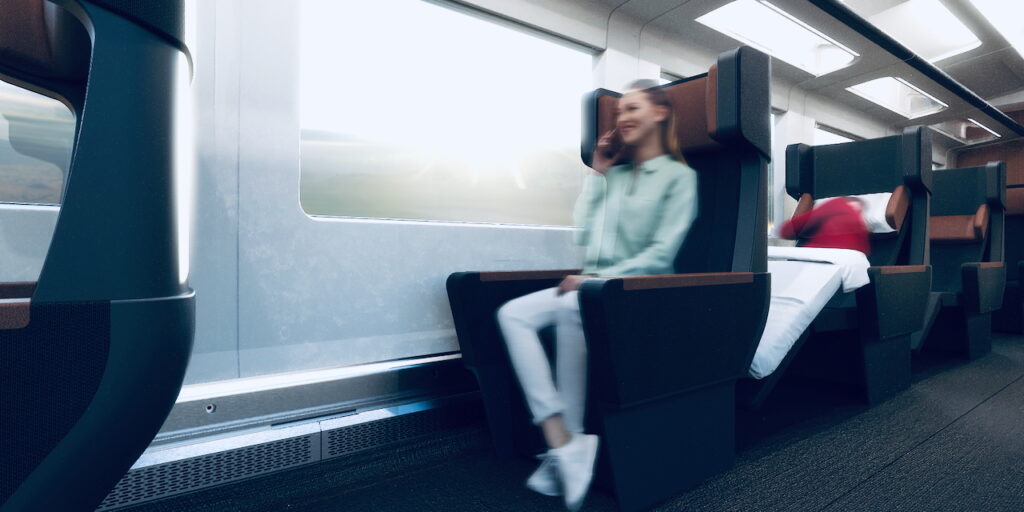
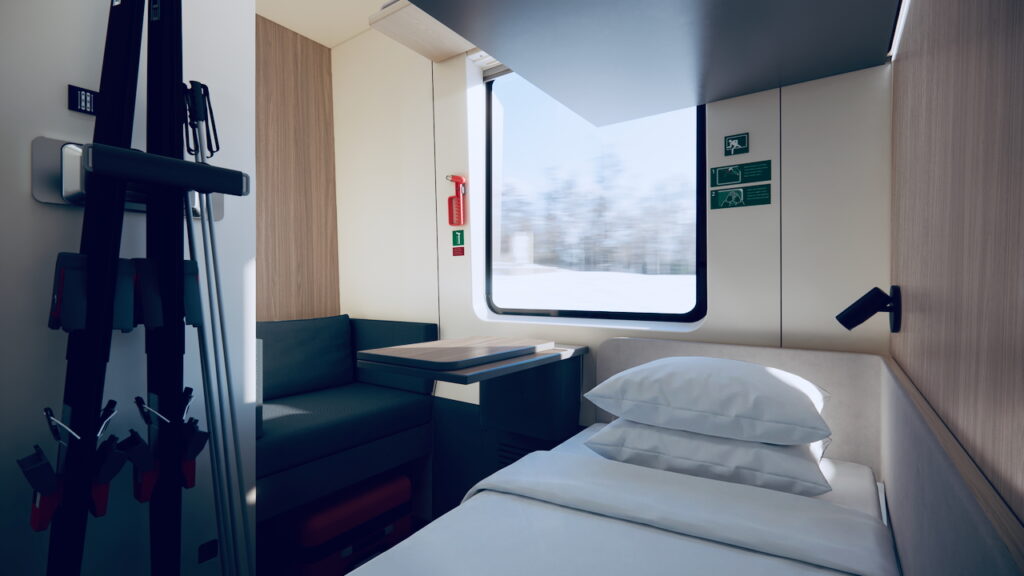
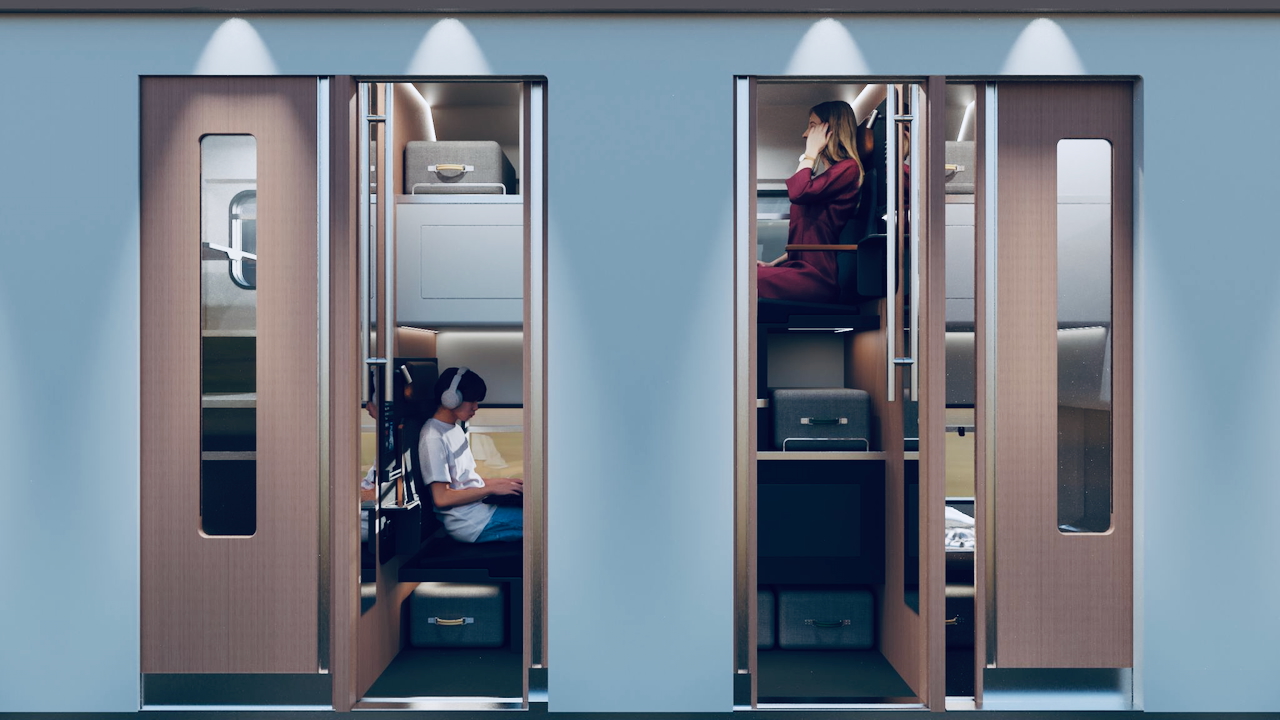
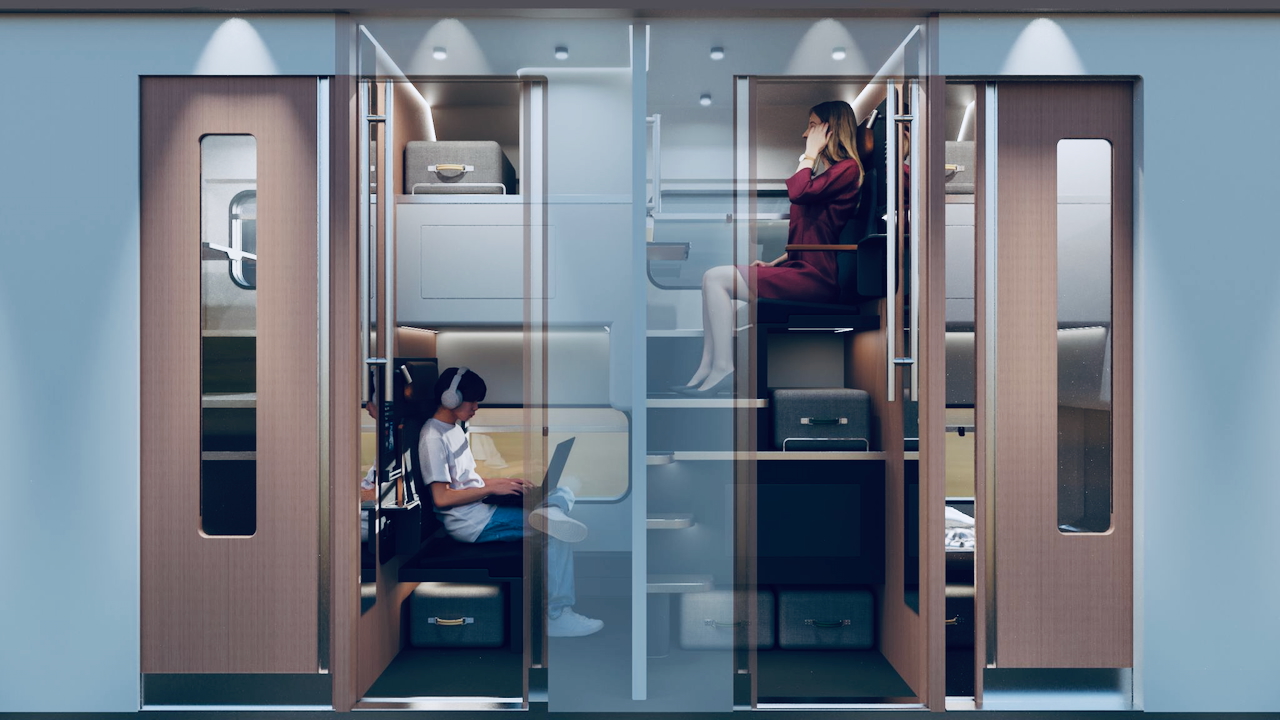
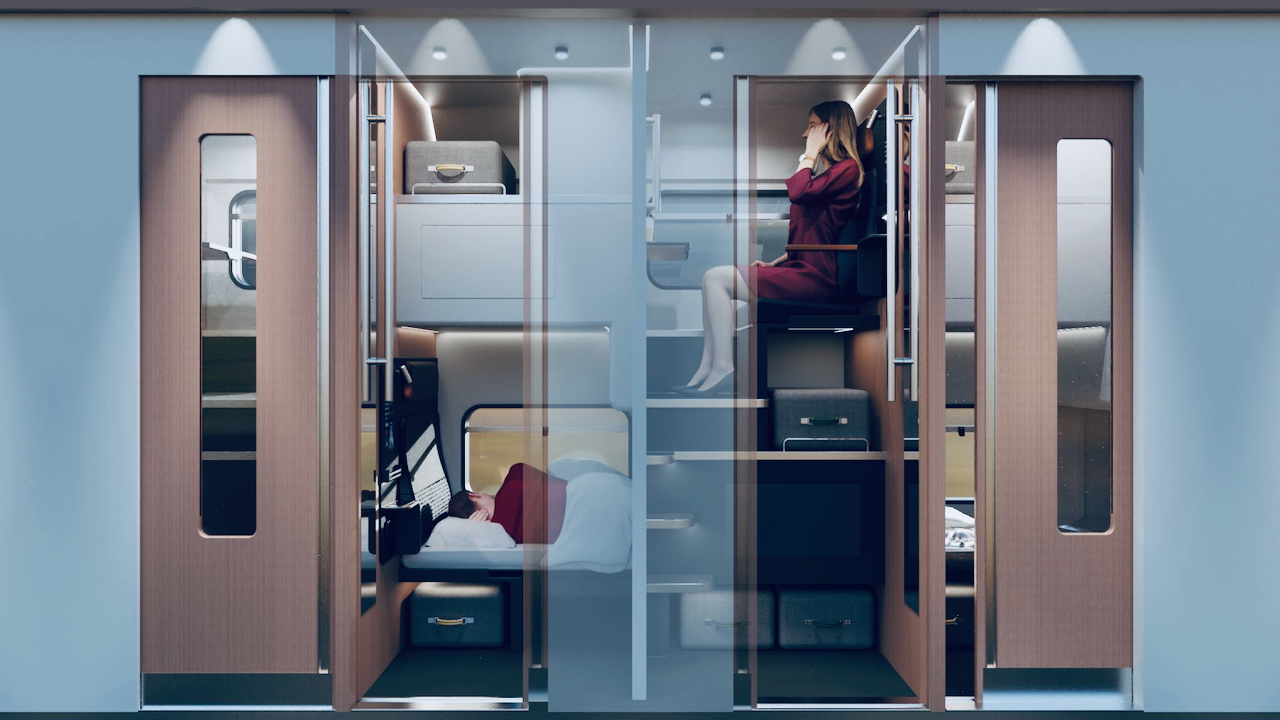
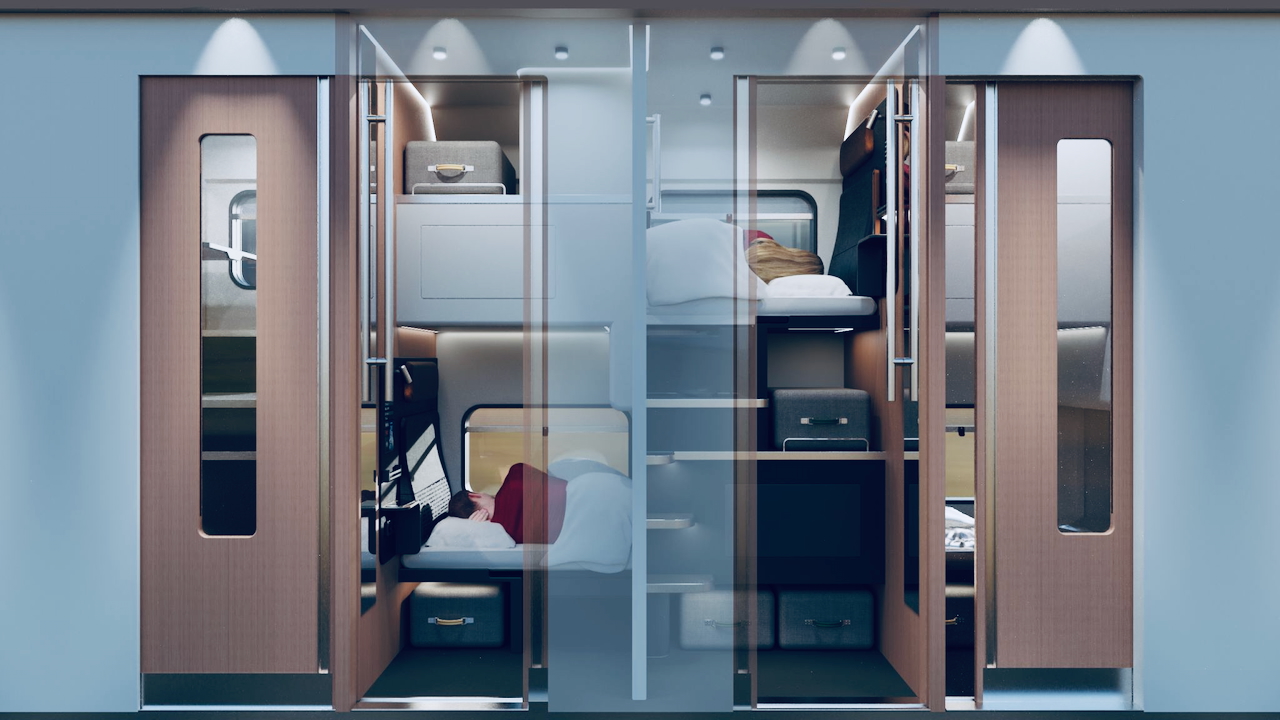
A new feature are the 31 Single Cabins (singel-sovkupé) which resemble a bit to the ÖBBs new nightjet’s mini cabins from the outside, as they feature a double row of windows. Unlike the Austrian Mini-Cabins these have been aligned with the direction of the train and offer conversion to a seat for daytime usage. In total, the night train section offers sleeping accomodation for up to 124 passengers. The 7-coach day train section offers 112 second class and 14 first class seats and space, bistro car and a car with two PRM seats and a playing area. This section also accomodates at least 4 bikes and dozens of ski. The total transportation capacity of both secions adds up to 252 passengers.
The New Single Cabin
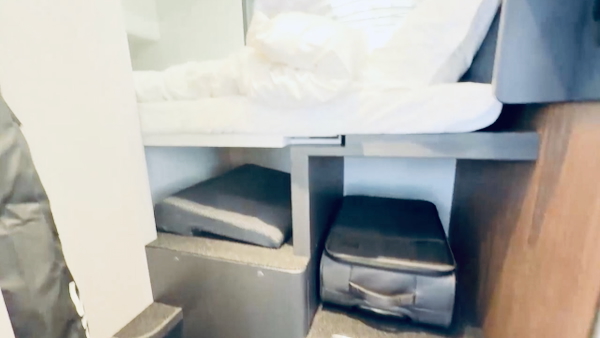
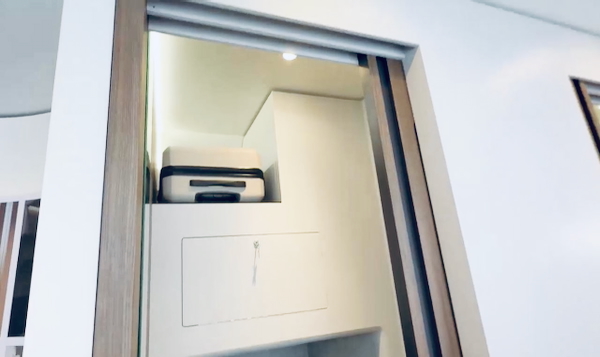
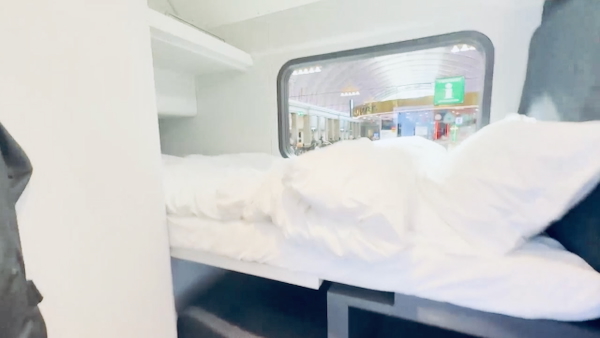
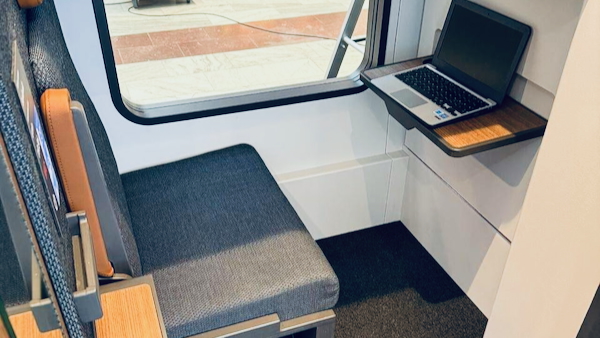
While Talgo can provide other night train components from the shelve, the Single Cabin is a custom design developped by Lundberg design in order “to meet real travel needs: generous luggage space keeps your belongings close and organised, while the bed extends to a full-length sleeping experience (minimum 2 meters). The cabin can be closed, offering the privacy to relax, rest, work, and make yourself ready for the night.”
Economics
In order to roughly estimate the undisclosed price component for the rolling stock we would assume roughly 1/3 of the contract total to be maintenance cost – a rather high figure in relation to the purchasing price of 5% per year. This takes the higher wages in Scandinavia, challenging climate conditions and a relatively short depreciation time of investments into account. Also deducing the value of the 10 Vectron engines of approx 50 M € we would assume the purchase value of the rolling stock to be approcimately 450 M €. This means one combination of both sections would roughly equal a 45M investment.
For comparison: ÖBB purchased 20 additional nightjets for 25 M per 7-coach trainset in 2021, equalling 30,5 M € in 2026. A 7-coach nightjet has a similar capacity of 254 passengers. However, the Nightjets offer a higher share of 162 sleeping accomodations and a steering car to avoid shunting, improving their economic efficiency in operations. They can also be coupled to form a 400m train using the maximum platform length in order to optimise track access charges – a feature which is irrelevant in Scandinavia, where platform lengths are shorter and demand, particularly in Norrland, lower than in Central Europe.
The difference in price can partly be explained by lower unit numbers, comfort features like a bistro, playground and additional climate requirements. But at the bottom line, this is rather expensive rolling stock, much like the Stadler day- and night trains odered by Norway’s Banenor three years ago.
So night train traffic in Sweden will continue to depend on state subsidies and government preferences (or, alternatively, on air traffic paying for the environmental damage of the greenhouse effect caused by plane emissions).
Pictures: (c)Trafikverket / Talgo from media kit, Single cabin visualisations (c) Lundberg deisgn from LinkedIn post, screen captures by Hibai Unzueta